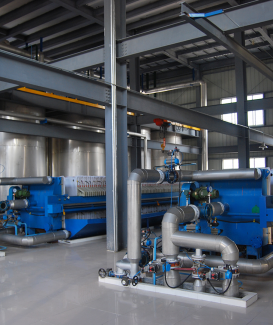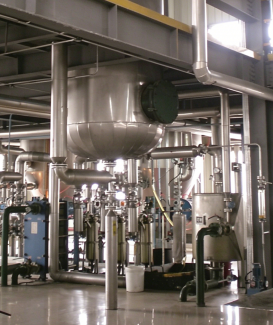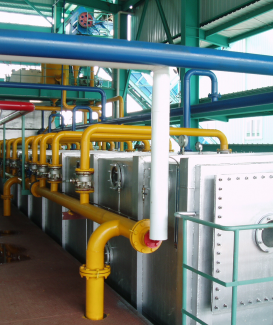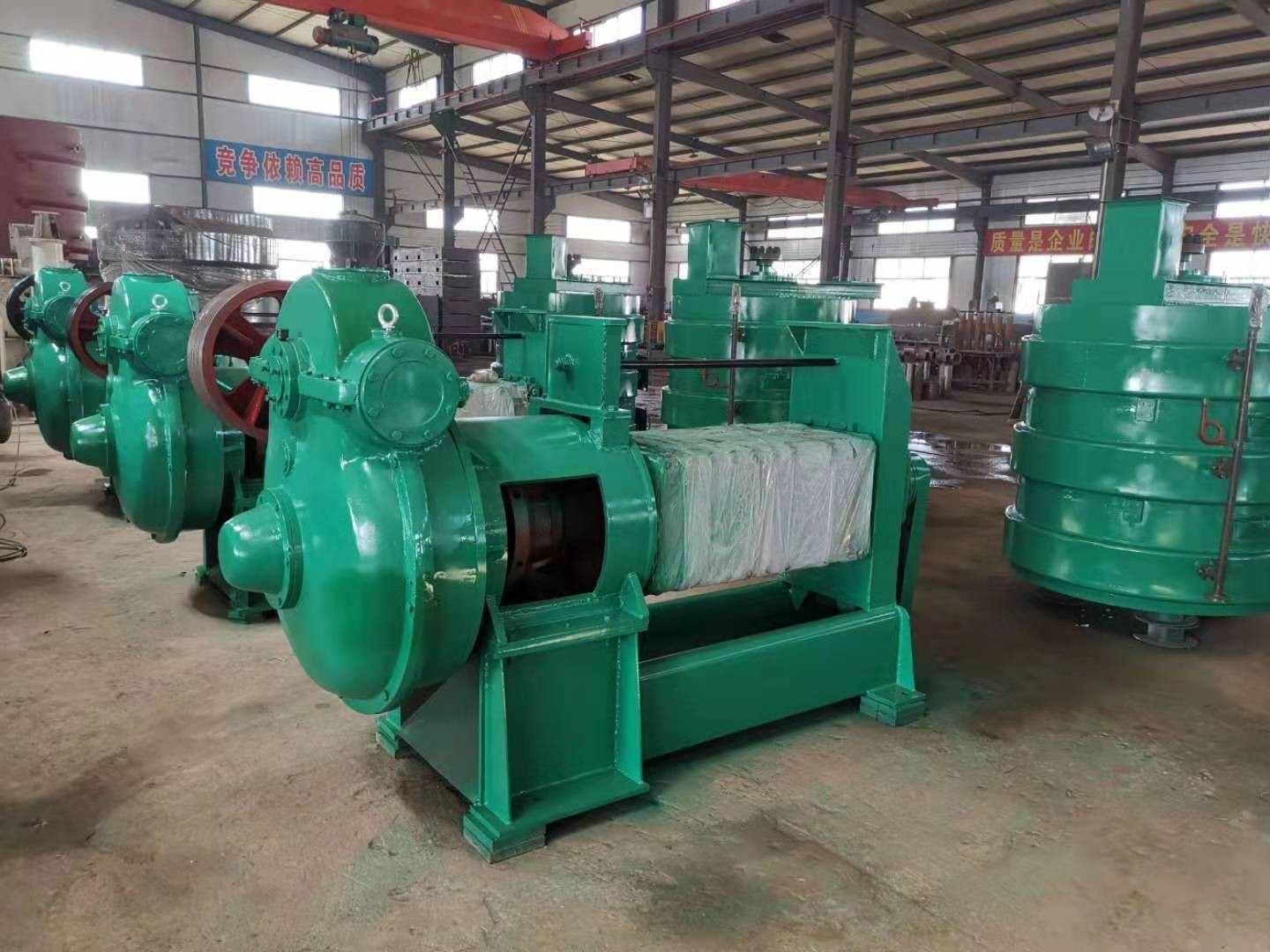
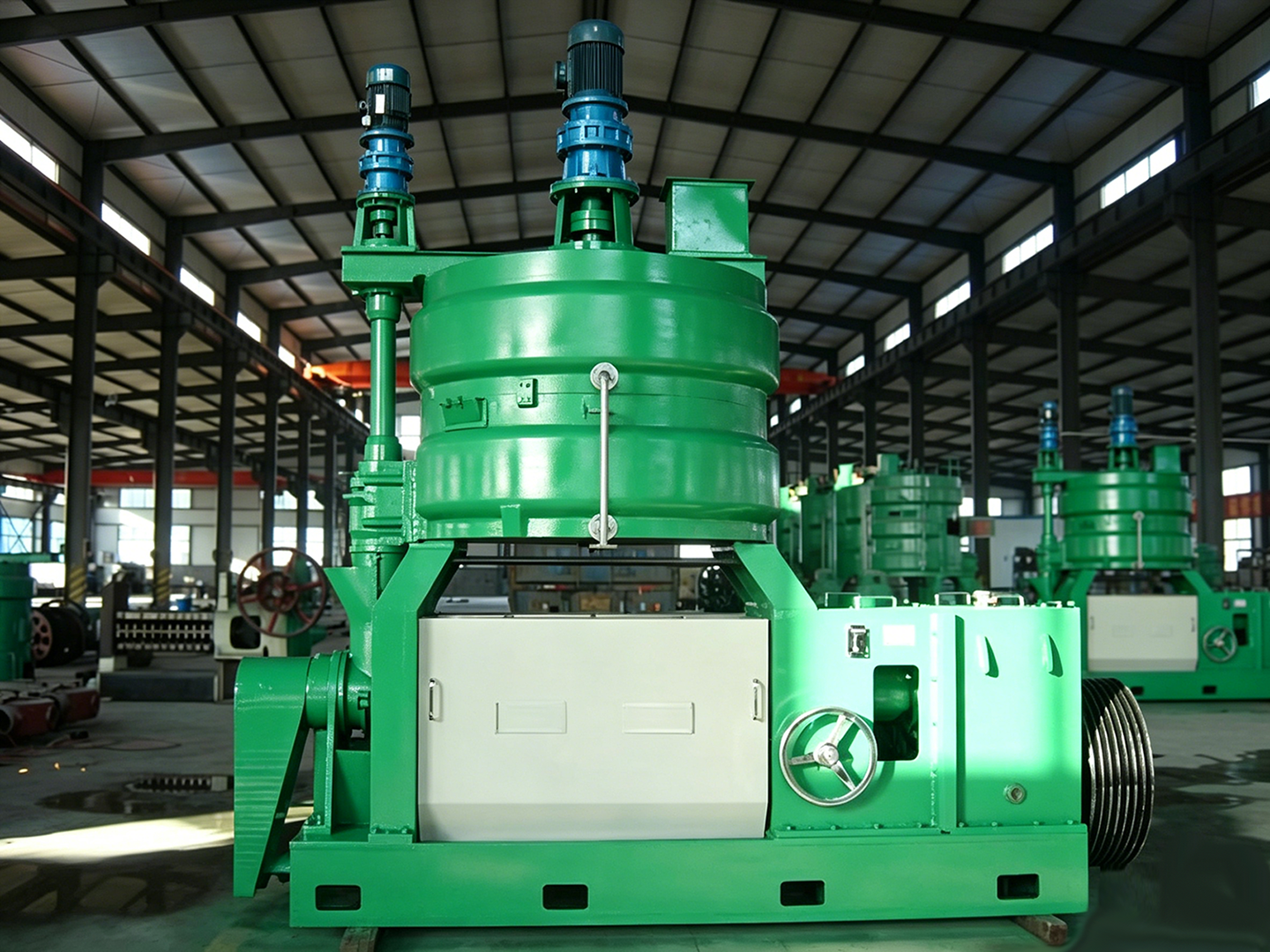
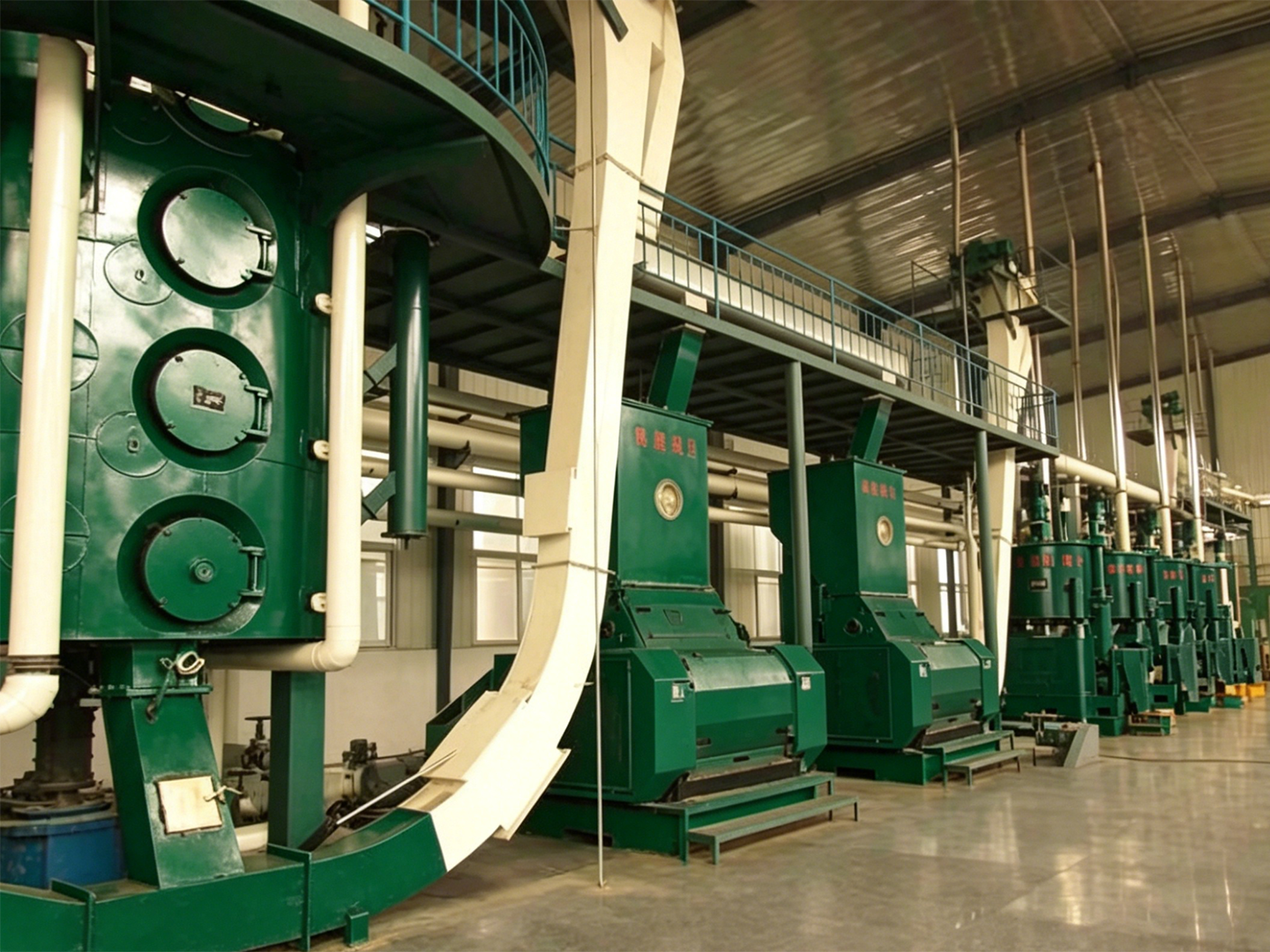
The pressing line adopts physical crushing and squeezing to separate the crude oil from oil seeds. The process is suitable for a wide range of oil-bearing raw materials, including peanuts, soybeans, rapeseed, sunflower seeds, cottonseed, sesame, palm kernel, algae, and other oilseeds. It can accommodate different hardness levels and oil contents, and operates in a continuous mode.
Operating Principle
After cleaning, crushing, and conditioning, the raw materials are continuously fed into the screw press by a feeder. The screw shaft rotates within a cage‑type barrel, exerting high compressive and shearing forces on the material. Under high pressure, the oil is released from the oil cells and seeps out through micro‑openings in the barrel, while the solid fibrous matter is retained and forms a dense cake that is discharged from the outlet end. Throughout the pressing process, friction between the material and the equipment, along with the conversion of mechanical energy, generates heat that helps improve oil extraction efficiency. For different raw materials, the screw speed, barrel pressure, and incoming material temperature (typically preheated to about 121 °C) can be adjusted to maintain the working temperature inside the barrel between 60 and 99 °C. Some production lines are equipped with cooling devices to precisely control the pressing temperature, thereby preserving heat‑sensitive nutrients in the oil.
Outputs
After pressing, the material is separated into two streams:
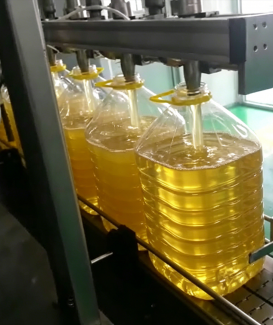
Crude Oil – exuded from the press barrel, containing small amounts of suspended solids. After settling or filtration, it is sent to the refining section, where it undergoes degumming, neutralization, bleaching, and deodorization to produce high‑quality edible oil or industrial oil that meets national standards.
Press Cake (Cake) – the solid residue left after pressing, which still contains a certain amount of residual oil (depending on the raw material and process conditions). This cake has two main end‑uses: it can be sent to the extraction section for further recovery of residual oil by solvent extraction, maximising resource utilisation; or it can be directly ground, heat‑treated, and processed into high‑protein feed ingredients, widely used in livestock and aquaculture. The cake may also be used as organic fertiliser or as a fermentation substrate, depending on market demand.
Customization and Integrated Solutions
We understand that different oilseeds have distinct physical properties and oil content, and that each customer may have unique production targets, site conditions, and end-product specifications. Therefore, our pressing section can be customized according to your requirements. We can design the best solution to make best products.
Contact: Mr. Yu
Phone: +86-15002173749
E-mail: prosperous@lygprosperous.com prosperous03@lygprosperous.com
Add: Room 918, Building 21-2, Chaoyang East Road, Haizhou District, Lianyungang City